 +91-7417086751


What Size Room for a Queen Bed – Complete Guide to Ideal Bedroom Dimensions
Sat Nov 08, 2025
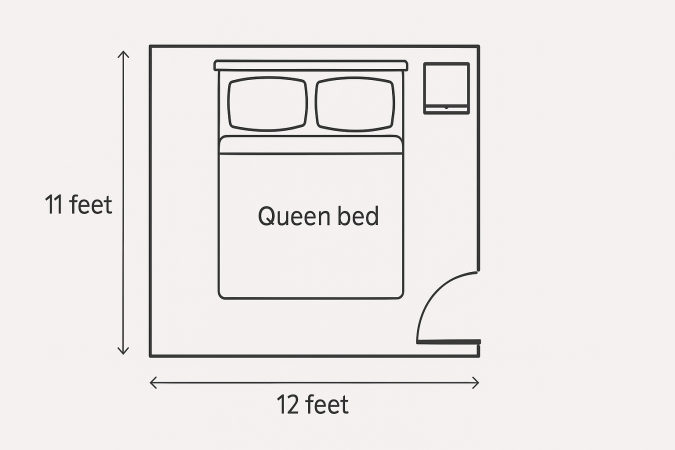
Designing a bedroom starts with the most important element — the bed. It is the centerpiece that sets the tone for comfort, proportion, and functionality. Among all bed types, the queen bed has become a popular choice for couples and individuals who want a balance between spacious sleeping comfort and practical room usage. However, the common question that arises for homeowners and interior designers alike is: what size room for a queen bed?
Knowing the right room size for a queen bed helps create harmony between furniture, movement, and visual balance. This guide explores everything you need to know — from minimum space requirements to layout ideas, spacing recommendations, and design strategies — to help you plan the perfect bedroom around your queen bed.
Understanding Queen Bed Dimensions
Before determining what size room for a queen bed works best, it’s important to know the bed’s exact size. A standard queen bed measures approximately 60 inches wide and 80 inches long (about 5 feet by 6.67 feet). This makes it significantly larger than a double bed but smaller than a king bed, offering ample space for two adults without occupying excessive room area. However, while mattress dimensions are fixed, the total footprint of the bed also includes the frame, headboard, and sometimes footboard. Depending on the design, the complete setup may occupy an area of around 65 to 70 inches in width and 85 to 90 inches in length. This means you must factor in additional space for the bed frame when calculating what size room for a queen bed will be comfortable.
A queen bed’s dimensions make it versatile — large enough for comfort but compact enough to suit medium-sized bedrooms. It’s this flexibility that makes it one of the most popular bed sizes globally. When planning what size room for a queen bed is ideal, the minimum recommended space is typically around 10 feet by 10 feet (3 meters by 3 meters). While a queen bed can fit within this area, it may feel tight once you add other essential furniture like bedside tables or wardrobes. To maintain comfort and movement, experts suggest increasing the size to 10 feet by 12 feet or 11 feet by 12 feet. This allows enough clearance around the bed for walking, placing lamps, or adding storage furniture without making the room feel cramped. In very small rooms, it is technically possible to fit a queen bed, but the experience may not be comfortable. When space is limited, consider minimal furniture, lighter wall colors, and good lighting to maintain an open feel.
In larger rooms, a queen bed naturally feels balanced and elegant. Understanding what size room for a queen bed ensures that the furniture layout supports functionality while maintaining aesthetic appeal.
Comfortable Spacing Around a Queen Bed
Once you’ve chosen your room, the next step in planning what size room for a queen bed is understanding spacing requirements. A comfortable bedroom layout ensures easy movement around the bed and proper furniture placement. Ideally, you should leave at least 24 inches (2 feet) of walking space on either side of the bed. This allows you to move freely without bumping into furniture or walls. The same clearance applies to the foot of the bed, ensuring you can easily access closets or adjoining areas.
If your bedroom allows more space, increase the clearance to 30 inches (2.5 feet) for an even more comfortable setup. These dimensions not only support ease of movement but also improve airflow and overall room balance. Proper spacing is one of the key considerations when deciding what size room for a queen bed offers the most comfort.
Optimal Room Size for a Queen Bed
While 10 x 10 feet is the minimum, the ideal room size for a queen bed is around 12 feet by 12 feet or 12 feet by 14 feet. This gives enough space to accommodate the bed, two nightstands, a dresser, and possibly a small seating area or study corner.
In a 12 x 12-foot room, a queen bed looks proportionate and allows for proper furniture arrangement without overcrowding. The balance of open floor area and furniture placement creates a sense of relaxation, which is essential in bedroom design.
When considering what size room for a queen bed, always factor in your personal lifestyle. For example, if you plan to include additional elements like a vanity, reading chair, or built-in wardrobe, opt for a larger room size to maintain comfort and circulation.
Room Layout Ideas for a Queen Bed
Layout plays a significant role in maximizing space efficiency. When deciding what size room for a queen bed is best, it helps to visualize different arrangements based on the room’s proportions and entry points. In a rectangular room, placing the headboard against the longest wall creates balance and opens up walking paths on both sides. If your room has windows or doors near corners, ensure the bed placement doesn’t obstruct them. In a square-shaped room, centering the queen bed creates symmetry, making the space feel organized and luxurious. If you want a minimal layout, keep furniture pieces light and functional — a pair of compact nightstands and a wall-mounted light fixture can maintain visual openness.
For master bedrooms, the queen bed can be positioned opposite large windows or an accent wall. This gives the room a focal point and maximizes natural light. Each design approach depends on understanding what size room for a queen bed fits your comfort needs while maintaining aesthetic proportion. When planning what size room for a queen bed, many people overlook the impact of ceiling height and vertical design. A room with a higher ceiling (above 9 feet) feels more spacious even if the floor area is compact. Conversely, a low ceiling can make the same room appear smaller. Choosing the right bed frame height can balance the proportions of the room. A low-profile bed frame enhances visual openness, making smaller rooms feel larger. For taller rooms, a high headboard or canopy-style queen bed complements the space beautifully.
Lighting also plays a key role. Soft ambient lights, wall sconces, and ceiling fixtures can visually expand or contract the space depending on how they are placed. The overall composition helps determine what size room for a queen bed feels comfortable not just physically but also visually.
Furniture Placement and Flow
The question of what size room for a queen bed goes beyond dimensions — it’s also about how furniture interacts within that space. The flow of movement should feel natural and unrestricted. Start by placing the queen bed as the central anchor. From there, balance the surrounding furniture symmetrically or asymmetrically depending on your design preference. If your room is small, floating furniture against walls can maximize usable floor space. In larger rooms, consider creating zones — a sleeping area, a small lounge area, and a dressing corner — for a hotel-inspired layout.
Always ensure furniture scale complements the bed. Oversized wardrobes or bulky dressers can make the room feel congested. Compact, multi-purpose pieces help maintain balance and make the room look organized. If you have a compact bedroom and wonder what size room for a queen bed can still work comfortably, thoughtful design is key. Opt for built-in wardrobes or under-bed storage to reduce clutter. Mirrors and light-toned paint colors can visually expand the room. You can also place the bed slightly off-center if it allows better traffic flow. Wall-mounted shelves and lights save floor space while maintaining functionality. Avoid heavy drapery or large patterned rugs that shrink visual space. The goal is to make every inch count without compromising comfort. When done right, even a 10 x 10-foot room can accommodate a queen bed beautifully. The key lies in proportion, balance, and clever design decisions.
Large Bedrooms and Queen Beds
If your bedroom is spacious — say 14 x 16 feet or larger — the question of what size room for a queen bed becomes more about visual proportion than fit. In such spaces, a queen bed may appear small unless styled correctly.
You can frame the bed with large rugs, statement lighting, or decorative headboards to create balance. Adding a seating area or small reading nook enhances the room’s functionality while maintaining a luxurious feel. The ample space around the bed allows freedom for design creativity — you can play with textures, layers, and accent furniture to make the room inviting and cohesive.
Design Balance and Aesthetic Harmony
The best-designed bedrooms balance proportion, comfort, and visual unity. Understanding what size room for a queen bed provides the foundation for this harmony. The bed should complement the room — not overwhelm or disappear within it.
Symmetry and scale create calmness. If the bed is centered, place matching nightstands on each side for a balanced appearance. Use area rugs to define zones and create visual comfort. Layered lighting — ceiling lights, bedside lamps, and accent fixtures — adds depth and warmth. Every design choice, from wall color to furniture texture, should enhance the sense of proportion around the queen bed. The more balanced the layout, the more restful and elegant the room feels. The ideal answer to what size room for a queen bed depends on your personal lifestyle, furniture choices, and desired aesthetics. While a 10 x 10-foot room can technically fit a queen bed, dimensions closer to 12 x 12 or 12 x 14 feet provide optimal comfort, movement, and visual symmetry. By maintaining proper clearances, using proportionate furniture, and applying thoughtful design, you can make your bedroom both functional and luxurious. The queen bed remains one of the most versatile options — large enough for two, yet adaptable to rooms of various shapes and sizes.
Frequently Asked Questions (FAQ)
Q1: What is the minimum size room needed for a queen bed?
The minimum size room for a queen bed is about 10 feet by 10 feet. However, 11 by 12 feet or larger provides better comfort and functionality.
Q2: How much clearance should I leave around a queen bed?
At least 24 inches (2 feet) of space on each side and at the foot of the bed allows comfortable movement and furniture access.
Q3: Can I fit a queen bed in a small bedroom?
Yes, a queen bed can fit in small bedrooms with smart layout choices like under-bed storage, minimal furniture, and light color schemes.
Q4: What is the ideal room size for a queen bed?
A room around 12 feet by 12 feet or 12 feet by 14 feet is ideal for a queen bed. It balances comfort, design freedom, and open space.
Q5: How do I make a queen bed look good in a large bedroom?
Use large rugs, decorative headboards, and surrounding furniture like benches or chairs to balance scale and fill visual space attractively.