 +91-7417086751


Dining Table Size – Choosing the Perfect Fit
Sun Nov 09, 2025
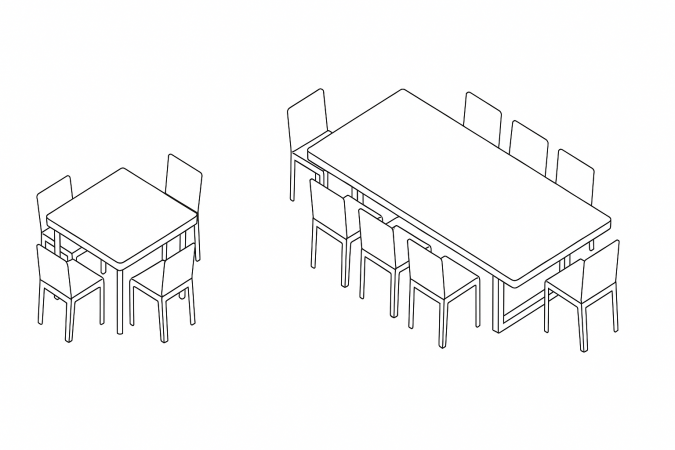

Choosing the right dining table size is one of the most important aspects of designing a functional and comfortable dining space. A dining table isn’t just furniture; it’s a gathering point for family, friends, and celebrations. The correct table size ensures balance, comfort, and practicality, allowing everyone to dine together without feeling cramped or distant.But what exactly defines the ideal dining table size? The answer depends on several factors — room dimensions, seating capacity, shape, and the purpose of the space. In this detailed guide, you’ll learn everything you need to know about how to determine the right dining table size for your home, whether it’s a cozy apartment or a spacious dining hall. Understanding how size interacts with space is the foundation of choosing the perfect dining table size. Once you establish proportions that suit your room, you can focus on shape, design, and seating comfort.
The concept of dining table size extends beyond simple measurements. The dimensions influence comfort, visual proportion, and functionality. A table that’s too large can make a room feel crowded, while one that’s too small can look lost in the space and limit seating capacity. The goal is to find a table that fits comfortably within the room while providing enough clearance for chairs and movement. Ideally, you should have at least 36 inches of space between the edge of the table and surrounding walls or furniture. This clearance ensures that guests can sit, stand, and move easily around the table.
Standard Dining Table Sizes
When people search for dining table size, they’re often looking for standard measurements. While the exact dimensions can vary depending on design and manufacturer, certain standards are widely accepted for rectangular, square, and round tables.
A rectangular dining table is the most common choice for family homes. A standard 4-seater table measures about 48 inches long and 30 inches wide, while a 6-seater table is around 72 inches long and 36 inches wide. For 8 to 10 people, the size increases to roughly 96 inches in length. Square dining tables are ideal for smaller rooms and create an intimate setting where everyone faces each other. The standard square dining table size for four people is approximately 36 to 44 inches on each side. Round dining tables encourage conversation and are great for compact spaces. A 4-seater round table is typically 42 to 48 inches in diameter, while a 6-seater version may range from 54 to 60 inches. Understanding these standard dining table sizes provides a reference point to start planning your own layout and seating arrangement.
Matching Dining Table Size to Room Dimensions
The most important step when choosing a dining table size is matching it to your room’s dimensions. Even the most beautiful table can feel overwhelming if it doesn’t suit the space. A good rule of thumb is to leave at least three feet of clearance on all sides of the table. For instance, if your dining room measures 12 feet by 10 feet, you should select a table no larger than 6 feet by 4 feet. This allows enough room for chairs to be pulled out comfortably and for people to move around freely. If you have an open-plan living and dining area, consider how the dining table size fits with nearby furniture. The table should create a visual anchor without obstructing pathways. In smaller apartments, rectangular or oval tables often work best, as they make efficient use of narrow spaces while maintaining elegance.
Determining the Right Seating Capacity
The dining table size also determines how many people can sit comfortably. For adequate elbow room, each person requires about 24 to 30 inches of space along the table’s edge.
Here’s a general guide:
-
A table 4 feet long seats 4 people comfortably.
-
A 6-foot table seats 6 people.
-
An 8-foot table accommodates 8 people.
For round tables, a 3.5 to 4-foot diameter is ideal for four people, while a 5-foot diameter can seat six comfortably. For larger gatherings, a 6-foot round table fits up to eight.
The right dining table size ensures that everyone has enough personal space to dine and interact without feeling crowded, while still fostering closeness during meals.
Height Considerations for Dining Tables
Although the keyword “dining table size” often refers to length and width, height is just as important for comfort and design balance. The standard dining table height is around 30 inches from the floor to the tabletop. This pairs perfectly with chairs that are approximately 18 inches high at the seat. However, variations exist depending on table type. Counter-height dining tables are around 36 inches high, offering a more casual, bar-style experience. Bar-height tables stand around 42 inches, commonly used in modern open kitchens and dining areas. When choosing your dining table size, always ensure proportionality between the table height and the chair dimensions. The ideal space between the seat and tabletop is about 10 to 12 inches — enough for comfortable leg movement and posture.
The Role of Shape in Determining Dining Table Size
The shape of the table plays a huge role in how the size interacts with the room. Rectangular tables are versatile and suitable for long, narrow spaces. Square tables suit small, symmetrical rooms and promote intimacy. Round and oval tables work beautifully in smaller or awkwardly shaped spaces where corners might otherwise create visual clutter. When thinking about dining table size, consider how shape affects usability. For instance, round tables with a central pedestal base provide more legroom and flexibility in seating arrangements. Rectangular tables offer clear placement boundaries for chairs, while oval shapes create softer flow within the room. Ultimately, the ideal dining table size depends on achieving balance — the table should complement the room’s shape while meeting practical seating needs.A well-proportioned room feels calm and spacious. The right dining table size contributes to this harmony. If the table is too large, it can make the room feel smaller and restrict circulation. If it’s too small, the room may appear underfurnished or visually unbalanced.
To find the sweet spot, start by marking the proposed table area on your floor with masking tape or cardboard cutouts. This visual guide helps you experience the space before committing to a purchase. You’ll quickly see whether the table size feels comfortable and whether chairs can move freely. Lighting also plays a role. For a balanced appearance, the light fixture above the dining table should be roughly one-third the width of the table and centered directly over it. This proportional relationship enhances both aesthetics and functionality.
Practical Design Tips for Choosing Dining Table Size
Choosing the right dining table size isn’t just about measurements — it’s about lifestyle. Think about how you use your dining space daily. Do you host large gatherings often, or do you mostly dine with immediate family? If you frequently entertain, consider extendable tables that adjust to different sizes. For small families, compact designs with built-in storage or folding ends can maximize flexibility. In smaller dining rooms, reflective materials like glass or polished wood can create a sense of openness. In larger rooms, solid wood or marble tops make the table a strong visual anchor. The ideal dining table size is one that balances function, proportion, and personality. It should adapt to your home’s needs while maintaining aesthetic harmony.
Common Mistakes to Avoid When Choosing Dining Table Size
A few common mistakes can disrupt the perfect balance in your dining area. One of the most frequent is ignoring clearance space. Even if a large table fits mathematically within the room, it can feel cramped once chairs and accessories are added. Another mistake is choosing the wrong shape for the available space. A long rectangular table in a small square room can make movement awkward. Similarly, a small round table in a large rectangular room might look out of place. Ignoring chair size is another pitfall. Chairs with arms need more space between seats, affecting overall dining table size considerations. Always check chair dimensions and allow enough room between each seat for comfort. Finally, lighting and rug size often get overlooked. A rug should extend at least 24 inches beyond the table on all sides, allowing chairs to remain stable even when pulled out. The right rug and lighting emphasize the chosen dining table size while enhancing the room’s atmosphere.
The question of dining table size is not merely about numbers; it’s about creating balance, functionality, and beauty in your home. Whether you live in a small apartment or a spacious home, the right table size enhances both comfort and style. As a general rule, always prioritize circulation space, consider your seating needs, and align the table’s dimensions with the room’s shape and proportion. A well-planned dining table size supports not only dining activities but also family interaction, hospitality, and design cohesion. Ultimately, the perfect dining table size is one that allows you to dine, connect, and live comfortably — a space that feels inviting, balanced, and beautifully composed.
Frequently Asked Questions (FAQ)
Q1: What is the standard dining table size for four people?
A standard 4-seater rectangular dining table measures about 48 inches long and 30 inches wide. For a round table, the diameter is typically around 42 to 48 inches.
Q2: How much space should I leave around a dining table?
You should leave at least 36 inches of clearance on all sides for easy movement and chair placement.
Q3: What is the ideal dining table size for six people?
A 6-seater dining table is usually 72 inches long and 36 inches wide. Round tables for six people range between 54 and 60 inches in diameter.
Q4: Can a large dining table make a room feel smaller?
Yes. If the table is too large for the space, it restricts movement and makes the room appear crowded. Proper proportion ensures balance and comfort.
Q5: What factors affect dining table size choice?
Room dimensions, seating capacity, shape preference, and lifestyle all influence the ideal dining table size for your home.